Projects
Research Thesis
Histological Characterization of Bone Marrow Lesions in Knee Osteoarthritis
Project Summary
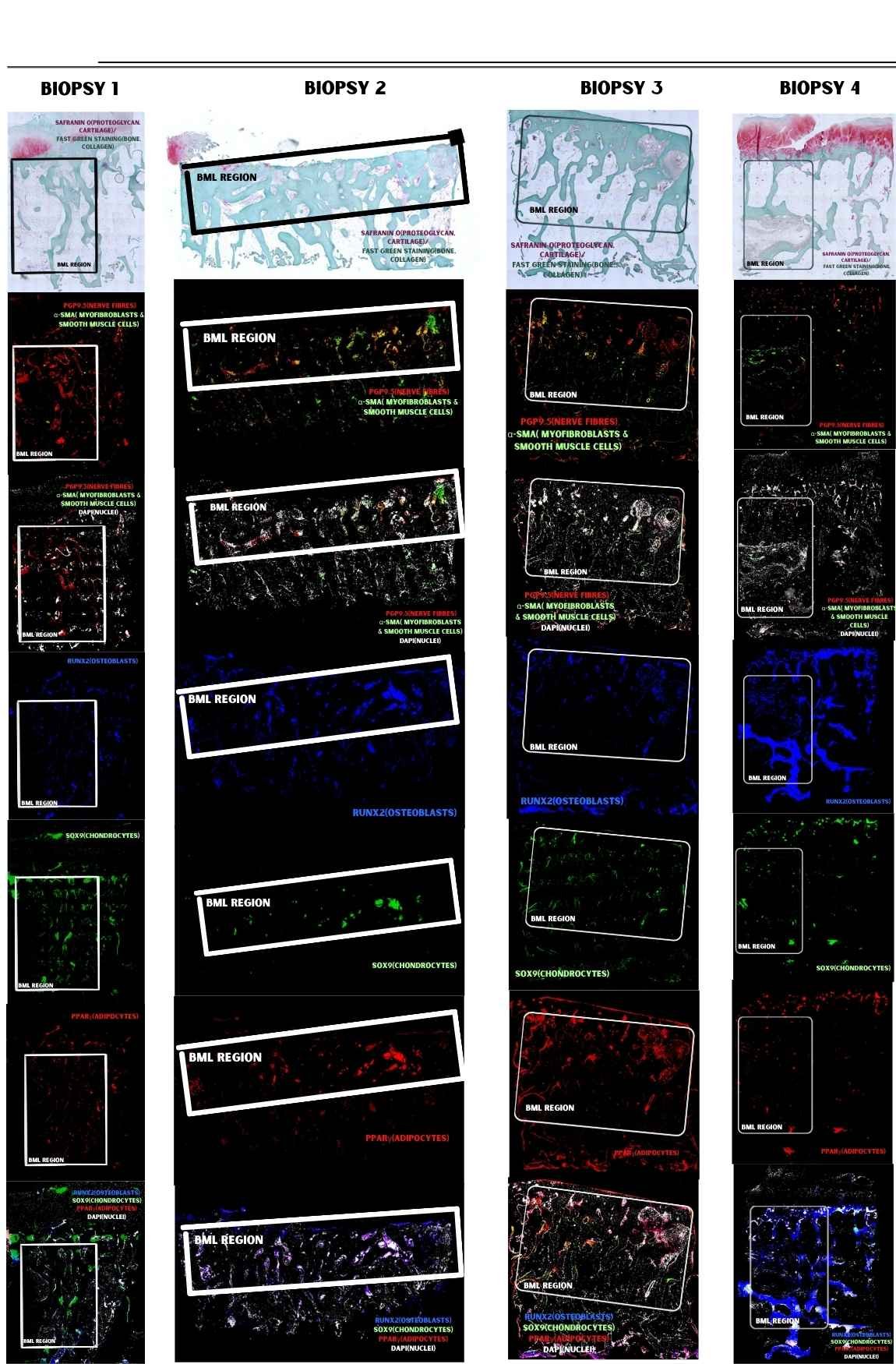
Bone marrow lesions (BMLs) are increasingly recognized as an important feature of knee osteoarthritis, yet the cellular processes driving their development are still not fully understood.
For my undergraduate thesis, I investigated the structural and biological characteristics of BMLs in human tibial plateau samples collected from patients undergoing total knee arthroplasty. Using histological and immunofluorescence techniques, I prepared tissue sections, stained samples with multiple cellular markers, and captured fluorescence images using a Zeiss microscope to evaluate bone remodeling, cartilage integrity, adipocyte distribution, nerve fibers, and vascular activity.
By comparing tissue samples at different stages of degeneration, I found that more advanced lesions exhibited increased osteogenic remodeling and neurovascular activity, supporting the idea that BMLs are biologically active microenvironments rather than passive indicators of disease. The project culminated in an undergraduate thesis and a presentation at the 2026 Biomedical Engineering Capstone Fair, where I shared the methodology, findings, and clinical significance of the research.
SleepGuardian
Project Summary
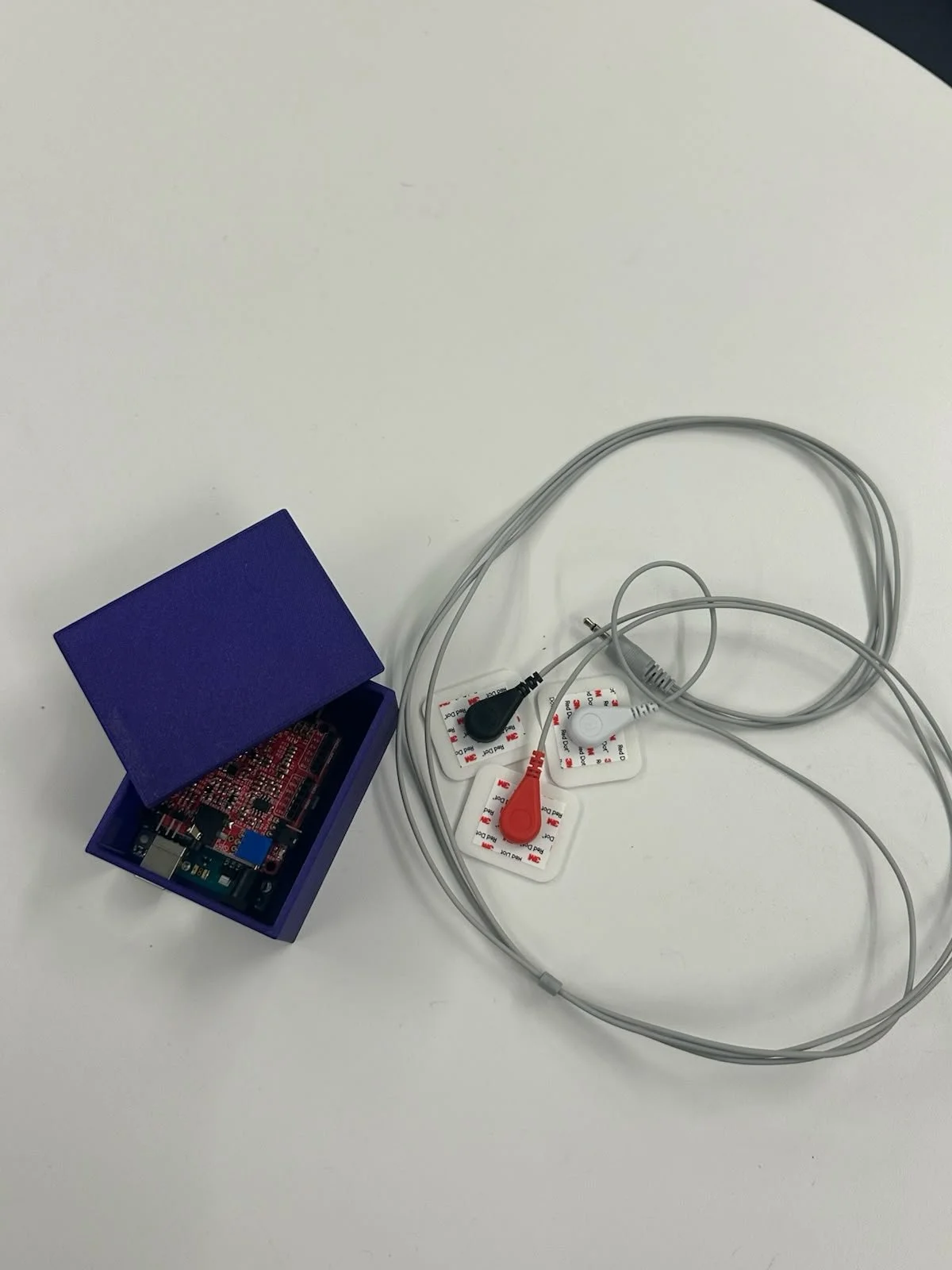
SleepGuardian was designed to provide a non-invasive, at-home solution for monitoring chin electromyography (EMG) signals during REM sleep to support research on REM Sleep Behavior Disorder (RBD) and its association with Parkinson's disease.
As the Mechanical Lead, I designed the device housing in Fusion 360, developed a lightweight wearable enclosure, and integrated the Arduino Uno and Olimex EMG shield into a portable system optimized for overnight use.
The final prototype continuously recorded chin EMG signals using dry surface electrodes and incorporated custom Python software for data collection, signal visualization, filtering, and CSV export. The project demonstrated the feasibility of an affordable, wearable EMG monitoring system while providing researchers with a user-friendly platform for analyzing sleep-related muscle activity.
SmartCast
Project Summary
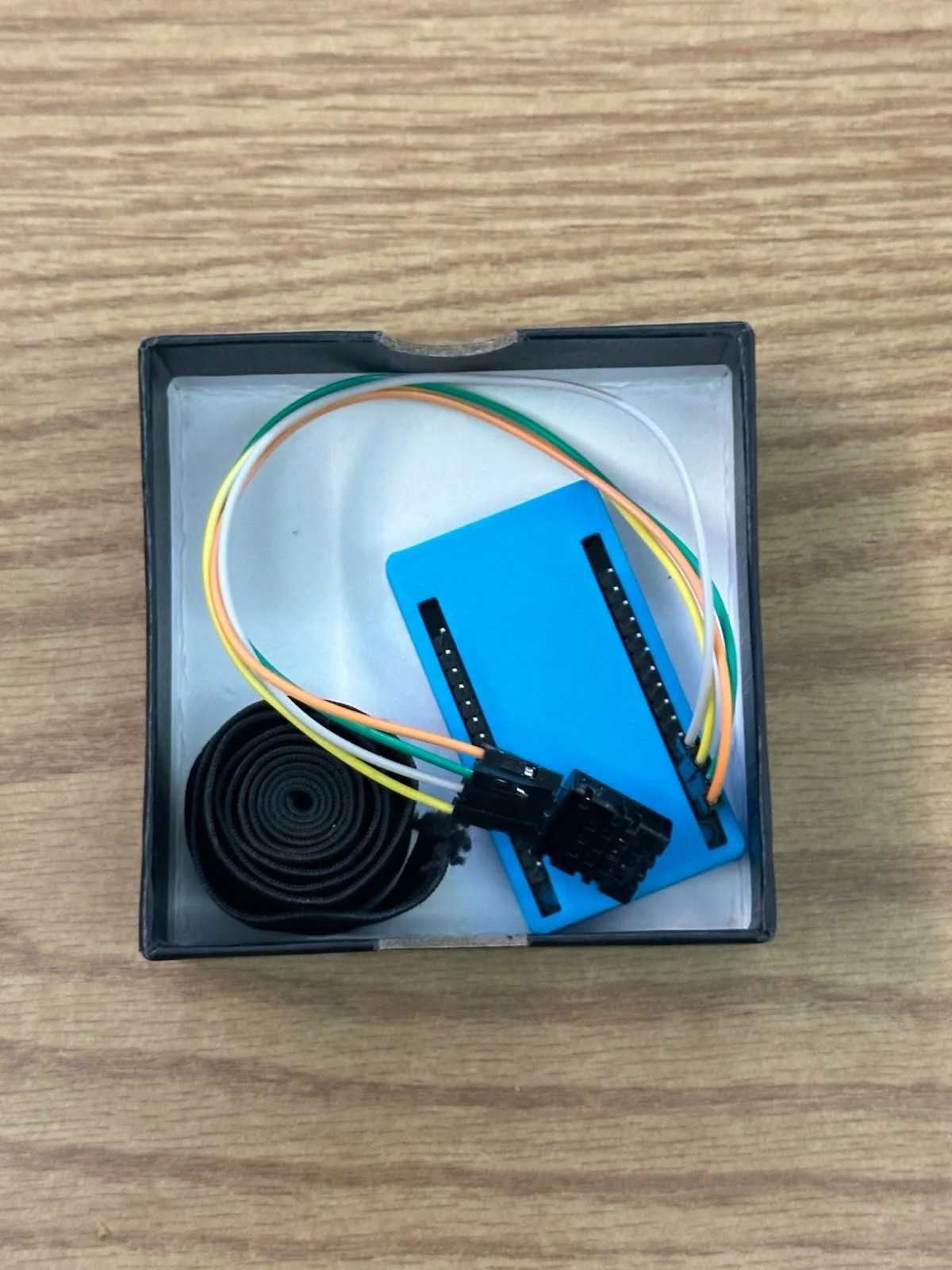
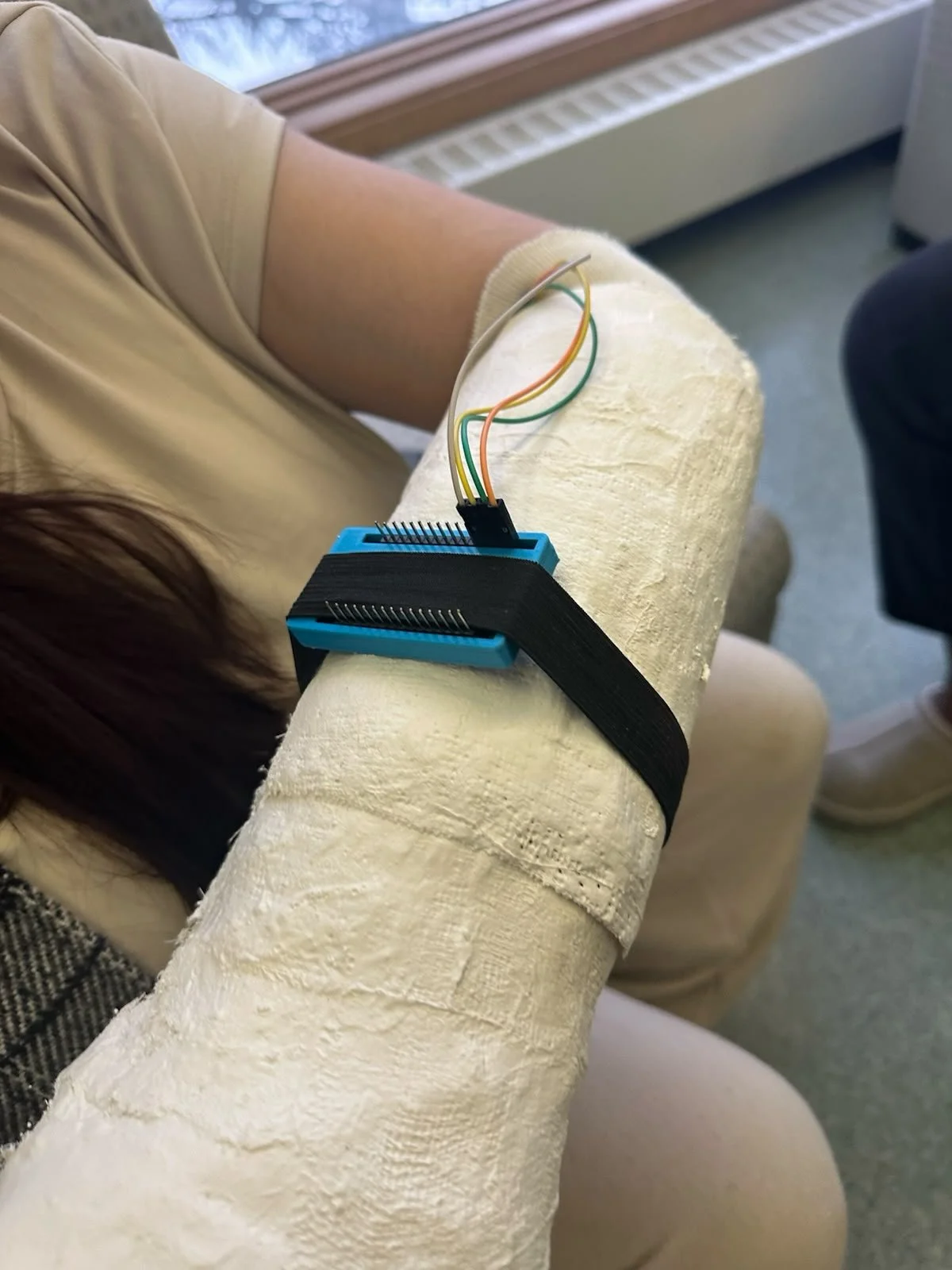
SmartCast is a wearable monitoring system designed to continuously measure temperature and humidity beneath casts to help detect conditions that may lead to skin complications.
My primary contribution focused on the mechanical design of the enclosure and the development of the device's verification and validation strategy to evaluate structural performance and user acceptance.
I designed and executed verification testing using FEA on Fusion360 to evaluate the enclosure under simulated loading conditions, confirming the design exceeded its structural requirements while remaining within the elastic strain limit. I also developed and conducted user validation studies to assess comfort, wearability, and usability, using participant feedback to refine the enclosure design and improve sensor integration for future iterations.
Senior Capstone Design
Design & Testing of a Reusable
Transcranial Ultrasound Coupling System
Project Summary
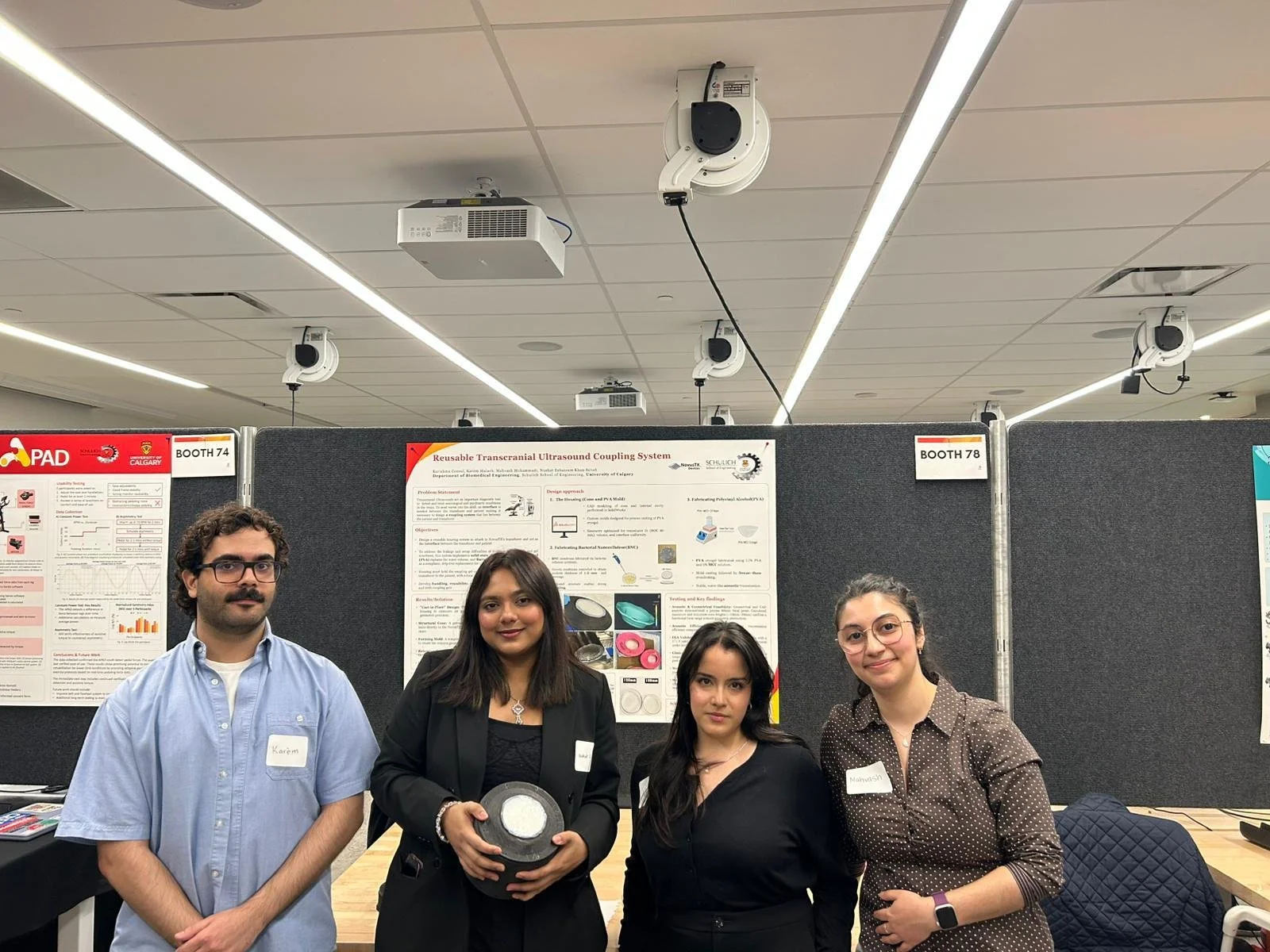
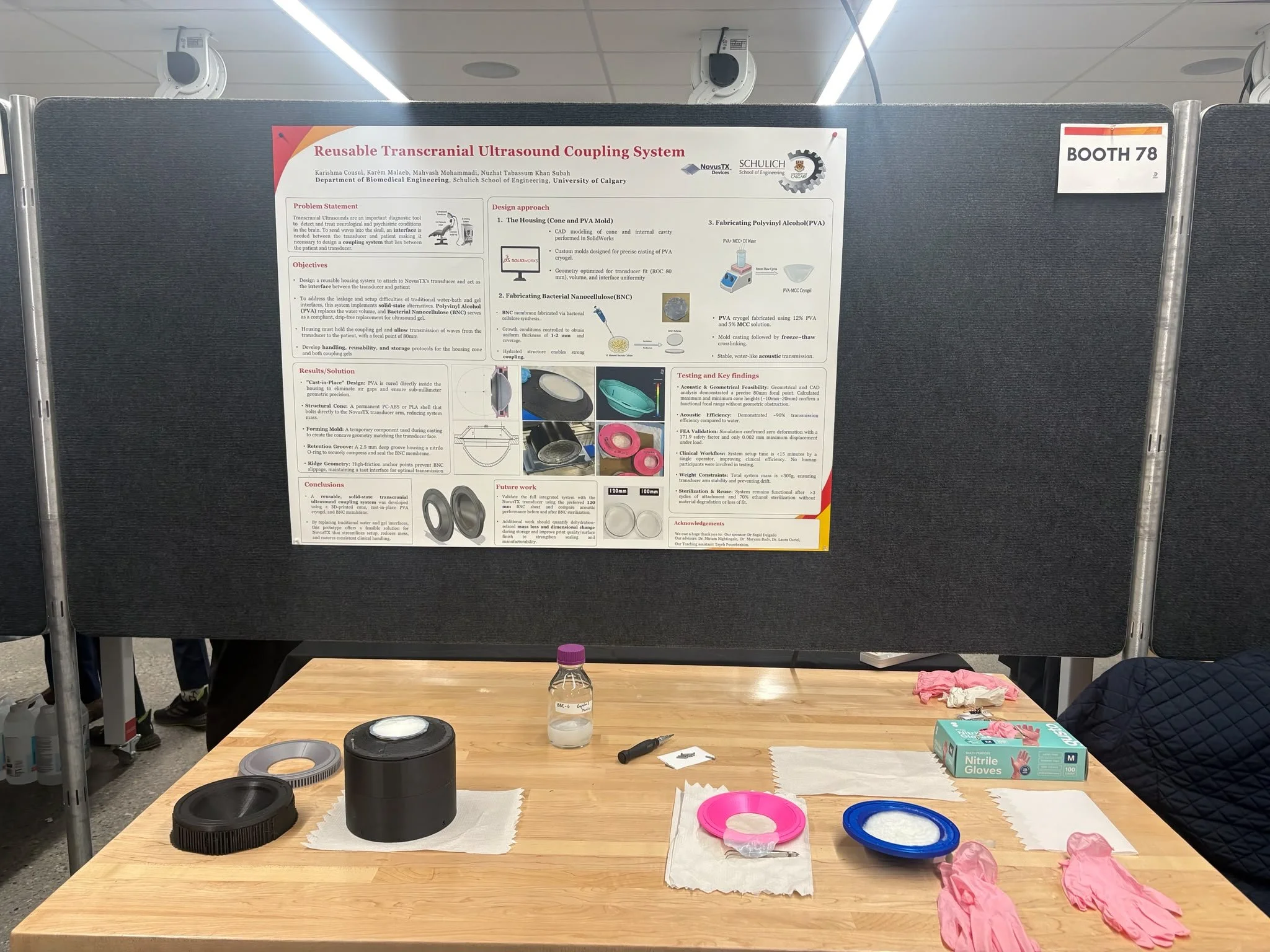
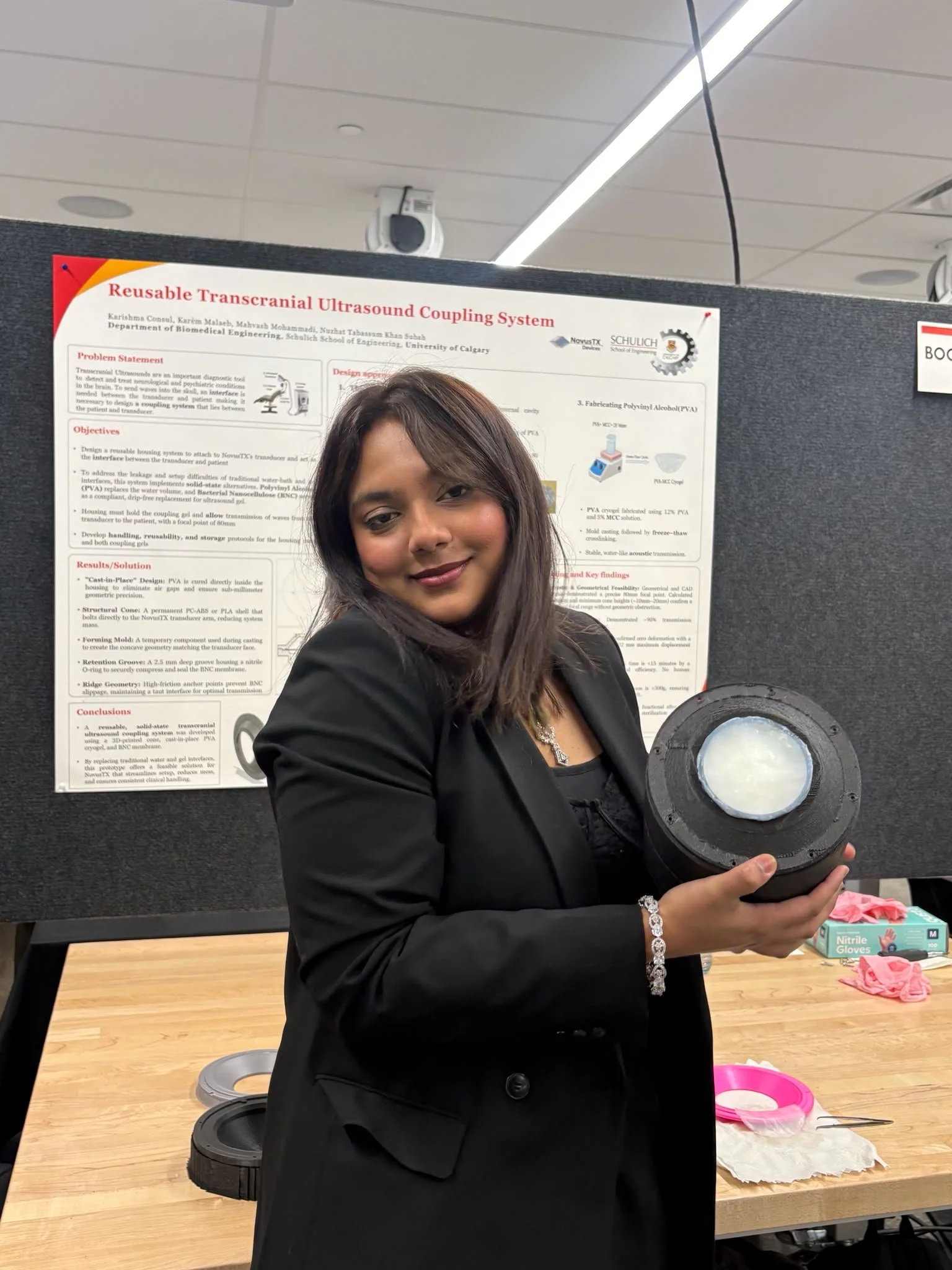
Transcranial ultrasound requires a stable, air-free acoustic interface to deliver focused ultrasound waves to the brain, yet existing coupling systems are prone to air gaps, leakage, and inconsistent performance.
As Project Manager, I led the design and development of a reusable coupling system for the NovusTX transcranial ultrasound platform, focusing on mechanical design, CAD modeling, finite element analysis (FEA), verification testing, and project coordination.
Through iterative design and testing, our team developed an Integrated Casting-Cone System that met the majority of our engineering requirements, including reusability, sterilization compatibility, manufacturability, and dimensional accuracy. The final design achieved a safety factor greater than 170 through FEA and was presented to NovusTX Devices and at the 2026 Biomedical Engineering Capstone Fair.

Pulse Oximeter
Project Summary
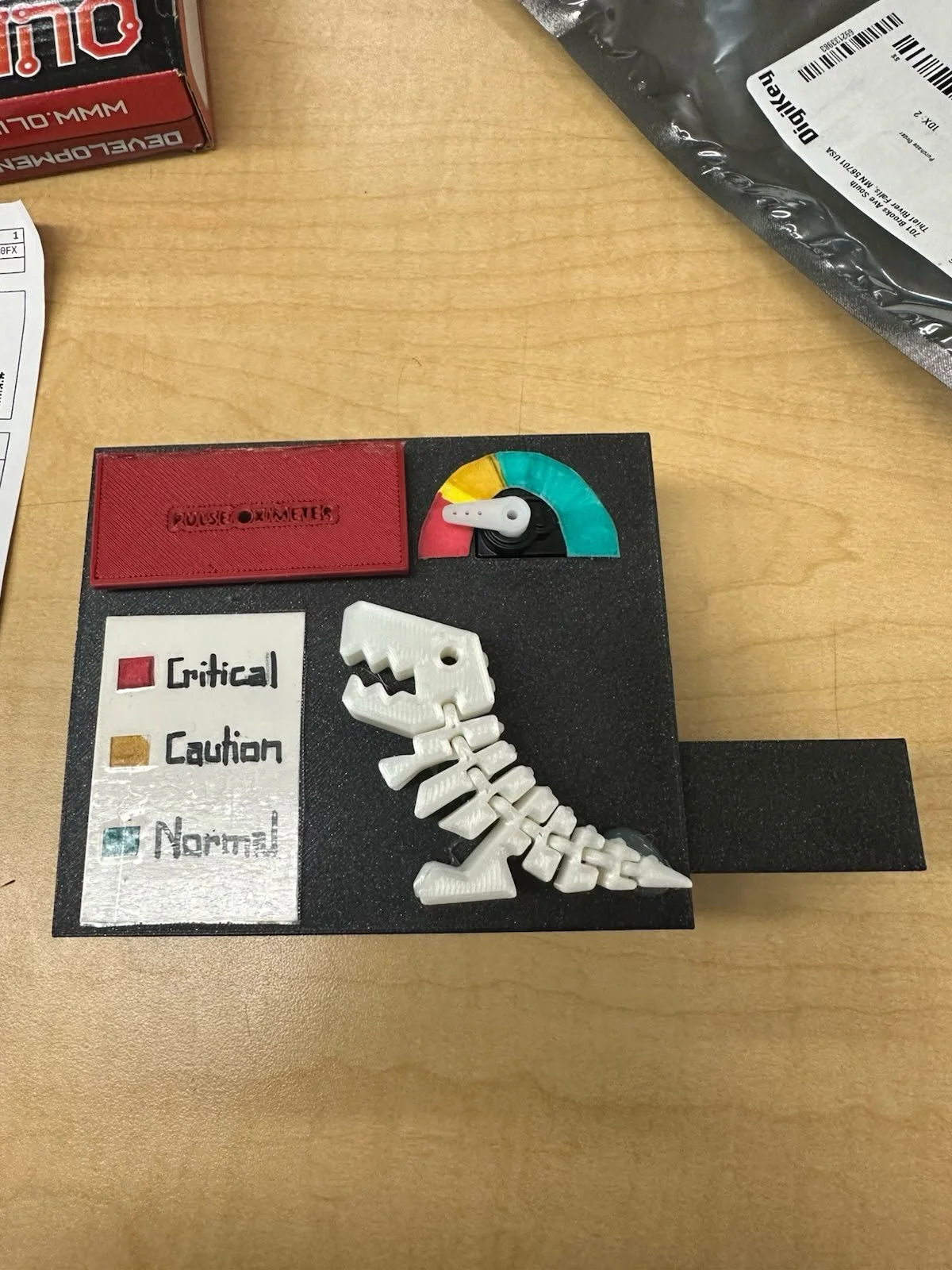
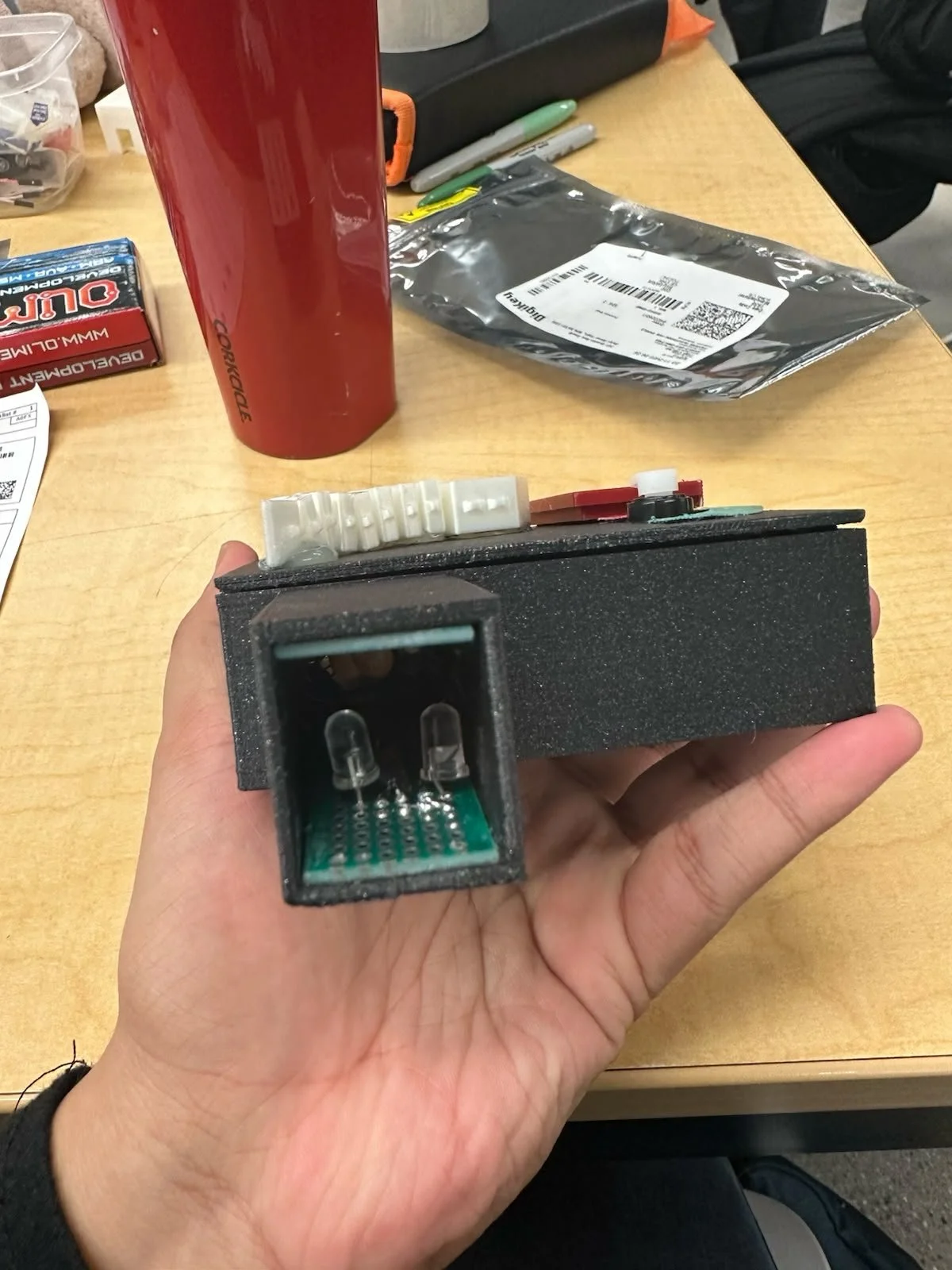
A portable pulse oximeter was designed and prototyped using an Arduino Uno, a pulse sensor, and a servo motor to demonstrate the principles of non-invasive heart rate and blood oxygen monitoring.
As the Mechanical Lead, I designed the device housing in Fusion 360, integrated the electronic components into a compact enclosure, and optimized the design for ease of assembly and usability.
The prototype successfully measured pulse signals in real time and used a servo motor as a visual indicator of sensor output. The project provided hands on experience in embedded systems, biomedical sensor integration, CAD design, rapid prototyping, and hardware-software integration.